Tag Archives: bedtime
Binky patrol: Understanding your child’s love of the pacifier
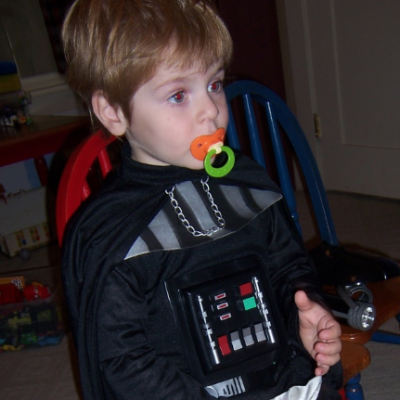
If you think your kid is going to be taking their pacifier off to college with them, think again! Most children give up their pacifiers before they are three years old. As children grow older, peer pressure becomes more of a factor and may actually be all the incentive a child needs to let go of their treasured pacifier.
A pacifier provides a serene state of calm for infants and young children — and The American Academy of Pediatrics states that pacifier use can actually prevent SIDS –sucking on a pacifier forces the airway to stay open. Pacifier use is now recommended at nap time and bedtime throughout the first year of life. A Binky, or pacifier, is also a transitional object that helps relieve stress as children adjust to new situations.
According to the American Academy of Pediatric Dentistry (AAPD) Policy on Oral Habits, thumb sucking or the sucking on pacifiers is normal in infants and young children.
With my first son I took the paci away when he was nine months old, but he had a very calm temperament. However, I now have a 2 ½ year old who still has his paci. He has a very high-energy temperament and is not easy to console, but once he has his soft blanky and paci he immediately calms down. What mom doesn’t need that kind of help every now and then?
If you are concerned about prolonged pacifier use and would like more in depth tips on how to slowly decrease pacifier dependency check out Kimberley’s book, www.TheGoToMomsGuide.com.
Proper Bedtime Attire for Babies
Guest Bloggers: Laura Hunter and Jennifer Walker, Authors of Moms On Call: Guide to Basic Baby Care
First of all, the temperature of the babies room should be between 68-72 degrees F. If your air conditioning and heater are like mine, then you need to get a little thermostat from the local Lowe’s and put it in your child’s room.
The crib should be free of any stuffed animals, loose blankets or thick bumpers. After the baby is regularly breaking out of the swaddle blanket, then we take the swaddle and the positioner out of the bed. All we want in the crib is the baby and a thin bumper.
What babies should wear to bed
68-72 degrees F – baby is wearing a cotton short sleeve onesie without front snaps or any embroidered elements that are scratchy on the inside. Over that, the baby can wear a cotton, long-sleeve, long pant sleeper with footies. (Putting socks on under the footies help them to stay in place.) Babies 0-3 months can have a tight swaddle with a Moms on Call swaddling blanket for added security.
64-68 degrees F. – baby can wear the short sleeve cotton onesie as mentioned above. Instead of a cotton long sleeve onesie, the baby can wear a fleece, zip-up sleeper with footies. If the baby is under 3 months and still being swaddled, then they can wear a cotton short-sleeve onesie, a cotton long-sleeved, long pant sleeper and the Moms on Call swaddling blanket, (swaddled tightly).
We get into more trouble with babies getting too hot than we do with them getting too cold. Remember, they have brand new effective metabolisms, so they tend to like the room a bit cool. That said, all babies are individuals and it is fine to experiment with the temperature a bit to be see what your baby’s preferences are.
For more information visit www.Momsoncall.com.
Sweet and Sleepy Bedtime Routines for Kids
The more relaxed your child is, the more likely he’ll go to bed easily and fall asleep quickly. Although, if you have a hyper toddler, like I do, you’ll have to really pay attention to his or her cues to properly to assess what they need before wind down time. My toddler needs to let out energy before we cuddle and read. If I don’t let him get his busy bugs out each night, then he’ll put up a power struggle, yell and scream as we take him to bed. Whew! And no parents wants that…
Wind down before bed, consistent nightly rituals are soothing and allow children to feel safe, secure and sleepy.
Without a routine, your child may have difficulties settling down for a good night’s sleep.
Start early so you have time to get through the entire routine before you tuck him in.
Night Time Routines can consist of:
• Taking a bath or washing hands and face
• Wiping gums or brushing teeth
• A diaper change and getting on PJ’s
• Starting the night -time ritual in the bathroom or in another room and ending up in your child’s room.
• Getting the wiggles out. Children sometimes get bursts of energy right before the go to sleep, so let them get the night time goofies, jump up and down or have a giggle and tickle session.
• Singing or playing a game: like the big gigantic spider crawled up the daddy spout… but don’t get him to overloaded!
• Have good night puppet show
• Say goodnight to things around the house (Good night clock, door, light, moon)
• Play some music and/or turn on a soothing sound machine
End each departure with a tagline: “Mama loves you, see you in the morning” or “Sweet dreams, we all love you.”
For more great parenting tips, check out Kimberley’s book, www.TheGoToMomsGuide.com.